Garden clearance in Forest Hill
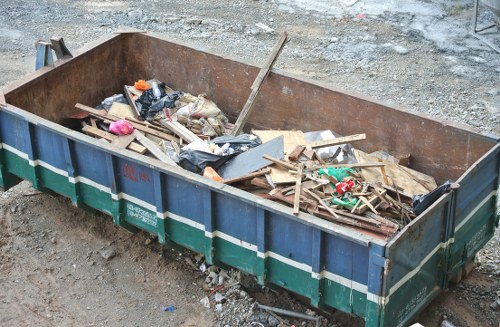
Garden clearance in Forest Hill should leave outdoor space ready for practical use, whether that means removing seasonal cuttings, untidy waste, broken pots, old timber, soil bags or long-accumulated clutter. Our service is organised around straightforward clearance work for homes and shared outdoor areas, with the aim of restoring order without turning the task into a bigger disruption than it needs to be. Where access is limited, items are awkward, or the volume of green waste has built up, we can still shape the work into a clear and manageable plan.
We handle mixed garden waste as part of the same clearance where that is appropriate, so thorny trimmings, branches, turf, leaves and general outdoor rubbish can be dealt with together instead of splitting the job into separate visits. If your space needs a fuller tidy before it can be used again, our approach is to keep the process simple and focused on removing what no longer belongs there. For a clearer idea of what is involved, you can start by reviewing garden clearance and then decide how much help you need.
Customers often want to know how a clearance is priced and what affects the final figure. The main factors are usually the amount of material, the type of waste, how easy it is to reach, and whether the job includes both green waste and non-green items. If you are gathering details for a quotation, a brief description of what needs removing is usually enough to begin with, and photos can help where the load is mixed or the access is tight. When you are ready, please request a quotation in the way that suits you best.
Clearance for overgrown and untidy gardens
Garden clearance can be the right choice when an outdoor area has become too untidy for normal use. That might include overgrown borders, cut branches left after pruning, piles of hedge clippings, weeds, broken planters or general clutter gathered over time. We work methodically so the space can be cleared in stages if needed, with heavier or bulkier pieces removed first and smaller loose material dealt with afterwards. This is especially helpful where a garden has several different waste types that need separating as they go.
Our service can also support one-off tidy ups after seasonal work, property changes or long delays between routine maintenance. In those situations, the job is often less about appearance and more about making the space easier to maintain again. If you are weighing up whether a clearance is enough or whether a fuller garden tidy is needed, the safest starting point is to look at the material itself and decide what should stay. A clear list of the main items usually makes the quotation process smoother, and it helps us plan the work sensibly.
Some clearances are straightforward, but others include awkward items such as old fencing sections, plant supports, rusted metal frames or bags of mixed waste. Those items do not belong with ordinary compostable cuttings, so they need a separate, sensible approach. We can take that into account when planning the job, along with access through side gates, shared paths or narrow entrances. If you want to compare the scope with other service options, the pages for waste removal and garden clearance may help you judge what fits best.
What we remove from outdoor spaces
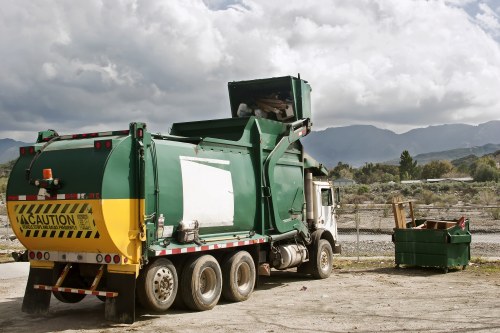
Many garden clearances involve more than simple clippings. A typical outdoor clearance may include branches, hedge trimmings, weeds, leaves, roots, soil bags, plant pots, damaged garden furniture, plastic containers and other items left outside because they are too bulky for ordinary bins. When the material is mixed, we sort it into practical groups so the clearance stays orderly and the site is left in a better state. That matters when the aim is to reclaim space, prepare for landscaping or simply make the garden usable again.
We can also deal with objects that have been stored outdoors for a long time and have started to deteriorate. Timber offcuts, broken edging, disused ornaments and cracked containers often build up quietly and then become a bigger task than expected. Rather than treating every item as the same, we look at what needs loading, what needs separating and what may need a different disposal route. If your project includes other household items as well, it may be useful to view our home clearance and furniture clearance pages for related options.
There are also jobs where the garden is not the only area affected. Sheds, side returns, paths and entrances can all collect waste that belongs with the main clearance. Where that happens, we can work through the job in a way that keeps walkways open and avoids needless backtracking. Please request a quotation if you would like help planning the right level of clearance for the material that needs to go.
How the work is organised
A useful garden clearance starts with a simple assessment of what needs removing and how the job can be completed safely. The order of work often depends on the layout of the garden, the amount of loose waste, and whether larger items need to come out before smaller debris. Clear access is important, but even where the space is awkward, a practical sequence can usually be arranged. The aim is to remove unwanted material efficiently while avoiding damage to surfaces, borders and nearby planting that is staying in place.
We treat each clearance as a practical loading task, not a one-size-fits-all exercise. That means the approach can be adjusted when the garden contains a mix of soft waste and harder items, or when a property has multiple outdoor areas linked by narrow paths. If you are preparing to ask for a price, it helps to note anything that may affect movement through the property, such as locked gates, steps, steep access or a long carry to the collection point. For broader information on how enquiries are handled, pricing and quotes explains the factors that usually matter.
It is also sensible to decide in advance whether some items should stay. Plant tubs, stones, composters and decorative features can be easy to overlook when everything around them is messy. A careful review before the work starts keeps the clearance focused and avoids removing things that still have a use. If you are unsure how much should be included, a short description of the space and the main problem items is usually enough to begin.
Mixed garden waste and harder materials

Not all garden waste is light or easy to lift. Some clearances include wet compost, heavy soil bags, cut timber, broken sheds or fragments of fencing, all of which affect the amount of handling involved. Mixed loads need a little more planning because the collection cannot always be approached as a single pile of green waste. We take that into account when arranging the job, especially where there are both organic and non-organic materials to move out of the same area.
Heavy items and awkward pieces can influence how the clearance is carried out. For example, long branches may need to be cut down before loading, while damp waste may need to be managed so that the working area remains safe and tidy. This is one reason customers often find it useful to group materials by type before a quotation is requested. If you already know that the clearance includes hard landscaping waste, old fixtures or a dismantled structure, it can help to say so clearly from the outset.
For those dealing with a wider property clean-up, the related pages for garage clearance and flat clearance can be useful alongside garden clearance. They cover different kinds of domestic clearance work, but the same principle applies: remove what is no longer needed, keep the process orderly and make sure the waste is handled appropriately. Clear information at the start usually leads to a better plan for the job itself.
Outdoor spaces that need a fuller tidy
Some gardens need more than the removal of obvious rubbish. They may need a fuller tidy because paths are blocked, borders are hidden under weeds, and storage items have spread into areas that should be open. In those cases, a clearance can create the breathing room needed before further maintenance begins. The work may involve removing surface litter, clearing cuttings from corners, freeing up access to fences or sheds and taking away items that are no longer useful where they are stored.
When a garden has been neglected for a long time, it is common for several small problems to appear together. Broken pots, damaged stakes, leftover soil, collapsed bags and plant debris can all end up in one part of the site. We can manage that as a single practical task rather than asking you to break it down into separate projects. If you are planning larger works afterwards, it is usually better to remove the unwanted material first so that measurements, repairs and any new planting can be considered against a clearer backdrop.
You can also look at the related pages for house clearance and loft clearance if your wider project includes other parts of the property. Those pages are not a substitute for garden work, but they may help when the clearance crosses from outdoor space into storage rooms or upper areas. For this type of job, a well-described scope is more useful than a long explanation, so please request a quotation when you are ready.
Choosing the right level of service
Garden clearance is flexible enough to suit different kinds of outdoor spaces, from small courtyards to larger back gardens. The right level of service depends on what has to go, how quickly the area needs to be cleared and whether the waste is all in one place or spread across the property. If you only need the obvious debris removed, that can keep the job compact. If the area includes layers of old material, a fuller clearance may be more sensible.
To help you choose, it is useful to think about three questions: what is staying, what must go, and how easy is it to reach each part of the space. That simple check often reveals whether the job is mainly about green waste, mixed household items or a broader outdoor tidy. If you are uncertain, we can work from the information you provide and shape the clearance around the items that matter most. For some customers, the main benefit is speed; for others, it is having one team deal with the lot.
A little preparation can make the enquiry easier. A short list of the larger items, a rough idea of how full the garden is and any access notes are usually sufficient. You do not need to over-explain the whole property. If you want to compare what can be removed with what may be better kept or reused, the pages for furniture disposal and business waste removal may also be useful in related cases, although the core service here remains garden clearance.
About Forest Hill
Forest Hill is a district in south-east London, within the London Borough of Lewisham, and it sits on higher ground that gives parts of the area an elevated feel compared with the surrounding neighbourhoods. The name is closely associated with Forest Hill railway station and the roads that converge around the centre, while the district as a whole is known for a mix of residential streets, local shops and places of everyday community use. Its position between several other south-east London districts has helped it remain connected while still retaining a recognisable local identity. Much of Forest Hill’s built environment reflects later Victorian and early twentieth-century development, with terraces, interwar housing and varied commercial frontages shaping the streetscape. One of Forest Hill’s best-known landmarks is the Horniman Museum and Gardens, which brings together collections, exhibitions and landscaped open space in a setting that is unusual for inner London. The gardens provide views, walking routes and seasonal planting, and they remain one of the most distinctive cultural and leisure assets in the district. Forest Hill also includes links to larger areas of green character nearby, with walking routes and local parks adding to the sense of openness in parts of the area. The district has long been influenced by transport connections, especially rail, and that accessibility has contributed to its changing character over time. Like many parts of south-east London, Forest Hill combines older layers of settlement with continued reinvention through local shops, housing renewal and the everyday life of a dense urban neighbourhood.
Garden waste disposal and recycling considerations

Once material is removed from the garden, the next stage is making sure it is handled sensibly. Garden waste is often more varied than it first appears, because a single clearance can include prunings, timber, soil, plastic pots, old compost bags and household items that have found their way outside. That is why it helps to keep the clearance organised from the start. Separating obvious green waste from other material is not just tidy; it also makes it easier to decide what belongs in each part of the process and avoids confusion later on.
Where suitable, reusable or recyclable materials should be kept distinct from waste that is only fit for disposal. Old fencing, metal frames and some garden fixtures may be handled differently from soft garden waste, while contaminated or mixed materials may need a more cautious approach. If your clearance includes items that have been outdoors for years, it is worth mentioning that in the quotation request because deterioration can affect how the work is planned. Good sorting at the outset is often the simplest way to keep the job efficient and controlled.
If you are preparing a larger outdoor project, the related pages for recycling and sustainability and builders waste clearance may be helpful references alongside this service. They are relevant where garden clearance overlaps with renovation debris, dismantled structures or materials that should be considered separately. For straightforward gardening debris, though, the main aim stays the same: remove the unwanted material cleanly and leave the space easier to use.
Requesting a quotation
When asking for a quotation, the most useful details are usually the type of waste, roughly how much there is, and whether there are any access issues. A garden that is clear at the entrance but cluttered at the far end needs a different approach from one where the waste is gathered neatly by the gate. If there are heavy items, mixed materials or items that need dismantling, mention those as well. This gives a better basis for planning and reduces the chance of surprises on the day.
It can also help to explain the outcome you want. Some customers simply want waste removed, while others want a proper outdoor reset so they can start maintenance again. If there are items you want left in place, say so clearly. The more specific the request, the more accurate the quotation is likely to be. If you have more than one area to deal with, grouping them together in the description may make it easier to judge the overall work and whether a phased approach would be sensible.
Please request a quotation when you are ready, and use the contact route that suits you best. If you want to compare the clearance with other domestic options, the pages for office clearance and contact us may also be relevant, with the latter reserved for your final enquiry. We can then discuss the scope and help you decide on the most suitable garden clearance for your property.
Planning the clearance around your property
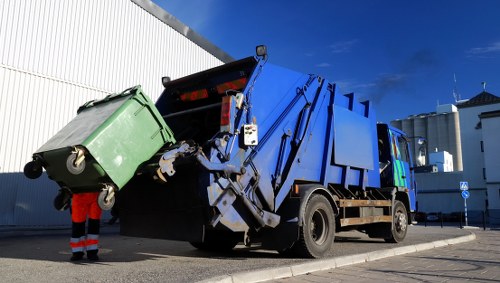
Some garden clearances are straightforward because everything is already gathered in one place, but many are easier when there is a little planning around the route in and out of the space. Steps, narrow side passages, shared access and stored items near entrances can all slow the job if they are not considered beforehand. A good plan keeps the clearance moving and helps protect the parts of the property that are not being touched. That is especially important where the garden is attached to a house, flat or communal pathway.
It is also worth thinking about timing in practical terms. If a garden is being cleared ahead of work by a gardener, decorator or builder, the waste may need to be removed before those other tasks can begin. Likewise, if the garden contains items that are still in use, it can be sensible to separate what needs to stay from what should go well before collection day. A clear boundary between those two groups helps everyone involved understand the scope of the job and keeps the task focused.
When you are ready to move forward, the simplest next step is to make a brief enquiry with the details that matter most. Please request a quotation for your garden clearance in Forest Hill, and we will use the information you provide to shape a practical response. If the space is mixed, awkward or simply overdue for a tidy, the right plan can still make it manageable.