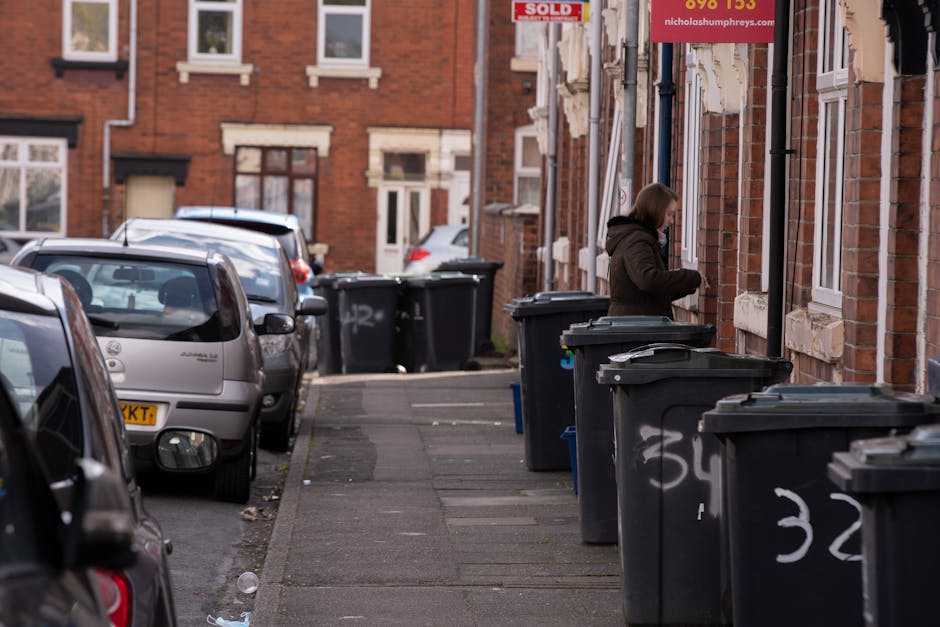
SE23 garden rubbish collection for Dartmouth Road homes
If you live on Dartmouth Road and the garden is doing that familiar late-summer thing - hedge trimmings piling up, old bags of soil in the corner, a broken trellis leaning against the fence - you are not alone. SE23 garden rubbish collection for Dartmouth Road homes is really about getting the outside space back under control without turning your week into a slog of bagging, lifting, loading, and queueing for disposal. Done well, it saves time, reduces mess, and keeps the job safer and simpler than trying to shift everything yourself.
In this guide, you will find a clear explanation of how garden rubbish collection works in practice, what usually gets collected, where people go wrong, and how to choose the right approach for a house, flat, or shared property. We will also cover sensible compliance points, compare options, and finish with a practical checklist you can use before booking. Let's face it, garden waste has a way of multiplying when you are not looking.
Expert summary: the best garden rubbish collection is the one that matches the size of the job, the access at your property, and the type of waste you have. For Dartmouth Road homes, that often means a tidy, efficient collection that handles mixed green waste, old fencing, pots, bagged rubbish, and awkward bulky items in one visit.
Table of Contents
- Why SE23 garden rubbish collection for Dartmouth Road homes Matters
- How SE23 garden rubbish collection for Dartmouth Road homes Works
- Key Benefits and Practical Advantages
- Who This Is For and When It Makes Sense
- Step-by-Step Guidance
- Expert Tips for Better Results
- Common Mistakes to Avoid
- Tools, Resources and Recommendations
- Law, Compliance, Standards, or Best Practice
- Options, Methods, or Comparison Table
- Case Study or Real-World Example
- Practical Checklist
- Conclusion
- Frequently Asked Questions
Why SE23 garden rubbish collection for Dartmouth Road homes Matters
Dartmouth Road homes in SE23 often have a mix of front gardens, back gardens, side returns, split-level access, and the occasional narrow path that makes clearing waste a little less straightforward than people expect. That is why garden rubbish collection matters: it is not just about removing green waste, but about dealing with the whole spillover that comes from real gardening and real life.
You might be clearing after a weekend prune, a full garden overhaul, a storm, or a long-overdue tidy-up before a move. In each case, the waste is rarely neat and simple. There is usually a combination of cuttings, branches, old compost, broken plant pots, timber, and maybe a few things that wandered into the garden over time - a rusted chair, a cracked storage box, or a tarp that has seen better days.
On streets like Dartmouth Road, where properties can vary a lot in layout and access, efficient collection matters even more. The less time waste sits around, the lower the risk of trip hazards, blocked paths, damp smells, insects, and that general "we really should deal with this" feeling that hangs over the place. A tidy outdoor space tends to lift the whole home. You notice it in the first five minutes, honestly.
If your project is bigger than a simple green sack load, it can also be worth looking at related services such as garden clearance for fuller outdoor tidy-ups, or general waste removal if your garden waste is mixed with other household debris.
How SE23 garden rubbish collection for Dartmouth Road homes Works
At a practical level, garden rubbish collection usually starts with a quick assessment of what needs removing and how easy it will be to access. A good provider will want to know whether the waste is bagged, loose, wet, heavy, thorny, bulky, or mixed with other materials. That is not bureaucracy for the sake of it. It helps decide how many people, what vehicle size, and how much loading time is needed.
For Dartmouth Road homes, access is often the detail that changes everything. Can a vehicle park close enough? Are there steps, a side gate, or a long carry from the back garden to the front? Does the waste need to be moved through the house, or can it go directly out of the garden? These small questions affect the plan and the price far more than people expect.
Most collections follow a straightforward pattern:
- You describe the garden waste and share a few photos if needed.
- The collector estimates the likely volume and complexity.
- A slot is arranged for collection, often with some flexibility.
- The team arrives, loads the waste, and removes it safely.
- The waste is sorted for reuse, recycling, or responsible disposal where possible.
In many cases, the service is more efficient than hiring a skip for a modest amount of waste, especially where roadside space is limited or the load is mixed. If the waste includes old furniture from a shed, a bench, or a damaged garden seat, you may also benefit from a linked service such as furniture disposal or furniture clearance.
One small but important point: garden waste is often heavier when wet. A few bags of soaked clippings can feel like twice the weight by the time they reach the vehicle. That is exactly the sort of thing that catches people out on a rainy SE23 morning.
Key Benefits and Practical Advantages
The obvious benefit is that the mess disappears. But there is more to it than that, especially for homes where outdoor space is used regularly or shared with neighbours.
- Less lifting and carrying: heavy bags, branches, soil, and broken planters are moved by the collection team rather than by you.
- Faster turnaround: you can clear a garden in one go rather than dragging the job over several weekends.
- Better presentation: a tidy garden improves how the property looks from the street and from inside.
- Safer pathways: removing clutter reduces trips, splinters, and blocked access routes.
- Mixed waste handled sensibly: green waste, timber, and awkward items can often be dealt with together.
- Less stress: sometimes the real value is simply not having to think about it any more.
There is also a subtle benefit people forget: a cleared garden tends to make future maintenance easier. Once the waste is gone, mowing is simpler, pruning is more visible, and you can actually see what needs doing. It sounds basic, but it changes how the space feels. A cluttered garden hides problems; a cleared one makes them manageable.
For homes that are part of a larger tidy-up, combining services can make sense. For example, if you are emptying a shed and garden at the same time, a mix of garage clearance and garden waste collection may be more efficient than splitting the work across separate bookings.
Who This Is For and When It Makes Sense
This kind of collection is useful for a lot of people, not just those with overgrown borders and a mountain of hedge cuttings. In practice, it suits anyone who wants the waste gone properly and without fuss.
Typical situations where it makes sense
- After a garden makeover or landscaping project
- Following hedge cutting, tree pruning, or seasonal tidy-ups
- When a shed, border, or patio has become cluttered with old materials
- Before putting a property on the market or preparing for new tenants
- After storm damage, fallen branches, or windblown debris
- When garden waste is too much for standard council collections or too awkward to move yourself
It is also useful for landlords, property managers, and busy households where nobody has the time to break down piles of waste into manageable loads. Truth be told, a lot of people delay this kind of job because it looks bigger than it is. Once it is broken down into a plan, it usually feels much less daunting.
If the property is a flat or maisonette with shared access, it may help to review flat clearance alongside garden rubbish collection so you can coordinate awkward items and avoid repeat visits.
Step-by-Step Guidance
If you are organising SE23 garden rubbish collection for Dartmouth Road homes, this simple process will help you stay in control and avoid last-minute problems.
- Sort the waste by type. Separate green waste, timber, soil, broken pots, and any general rubbish. You do not need to overdo it, but a rough split helps a lot.
- Check for awkward or restricted items. Things like treated wood, old paint tins, pressure-treated timber, or mixed DIY waste should be identified early.
- Think about access. Measure gate widths if needed, note parking constraints, and flag any steps, steep paths, or long carries.
- Take clear photos. A couple of straightforward pictures usually give a much better idea than a vague description. Morning light helps here; dark evening photos tend to hide half the story.
- Ask how the waste will be handled. Good providers will explain whether items are recycled, reused, or disposed of responsibly.
- Prepare the area. Move fragile pots, outdoor lights, toys, and anything you want to keep well away from the work zone.
- Confirm timing and collection method. If you need same-day or next-day help, say so upfront. Do not assume it will be obvious.
A small practical tip: if branches are long, cut them down only if it is safe and sensible. Sometimes people spend ages sawing things into tiny pieces when the collector would have loaded them whole anyway. No need to make more work for yourself.
Expert Tips for Better Results
Small choices can make the job smoother and cheaper. In our experience, the best garden rubbish collections are usually the ones where the homeowner has thought through a few practical details beforehand.
Keep waste dry where possible
Wet green waste is heavier and messier. If you can store bags under cover for a day or two, that often helps. It is not always possible, of course, but on a damp London week it can save effort.
Leave one clear route
A tidy pathway makes a surprisingly big difference. If the team can move in and out without weaving around bikes, bins, and plant stands, the collection tends to be quicker and less intrusive.
Separate items you may want to keep
Some "junk piles" contain useful bits: a spare hose attachment, a flowerpot still in good shape, or timber that could be reused. If you care about that, get it out first. Once the loading starts, things move fast.
Book around your own schedule
If you are working from home, entertaining visitors, or waiting for a delivery, arrange the collection for a time that suits you. It sounds obvious, but people often forget this and then have to juggle the day around a skip lorry or loading team.
Use related clearance only when it genuinely helps
If the garden waste is part of a wider home tidy-up, it can make sense to combine it with home clearance or even house clearance. That is especially useful if you are clearing out the back garden after a loft, shed, or spare-room sort-out. One booking, less back-and-forth. Nice and simple.
Common Mistakes to Avoid
Garden rubbish collection looks straightforward, but a few common mistakes can lead to frustration, extra cost, or simply a job that takes longer than it should.
- Mixing too many waste types: garden waste mixed with rubble, plasterboard, or general household rubbish can change how it is handled.
- Underestimating volume: hedge cuttings compress once bagged, but branches and timber can take more room than expected.
- Ignoring access issues: a narrow side return or no parking space can change everything. Mention it early.
- Leaving waste loose in awkward corners: it slows the loading process and can lead to missed items.
- Forgetting soil and turf weight: these are far heavier than they look. Very heavy, actually.
- Waiting too long after pruning: piles tend to spread, dry out, blow about, and become harder to manage.
One of the sneakiest mistakes is assuming a pile is "only small". Then you stand back at 4 p.m., hands on hips, and realise it is three separate jobs pretending to be one. We have all seen that moment.
Tools, Resources and Recommendations
You do not need specialist gear to prepare for a garden rubbish collection, but a few basic tools can make the process easier and tidier.
Helpful basics
- Heavy-duty garden waste bags
- Pruning shears or loppers
- Work gloves
- A broom or outdoor brush for loose debris
- A wheelbarrow or sturdy tub for moving lighter waste
- Tarpaulin or sheet for keeping material together
For people planning a bigger sort-out, it can be worth looking at garage clearance or loft clearance if the same property has old storage items that need to go as well. It keeps the project coherent rather than piecemeal.
The most useful non-physical resource is a good pre-booking conversation. Clear photos, access notes, and an honest description of the waste usually save time for everybody. A ten-minute chat can prevent a messy one-hour delay later. That is often where the value is.
If you want to understand how pricing is usually approached, the provider's pricing and quotes information is worth reviewing before you book. It helps you know what details matter and what might affect the final cost.
Law, Compliance, Standards, or Best Practice
Garden rubbish collection sits within the broader expectations around responsible waste handling in the UK. You do not need to become a legal expert to book a service, but it does help to know the basics.
As a homeowner, your main responsibility is to make sure waste is handed to a legitimate collector and described accurately. Best practice is to avoid leaving garden waste on the pavement, in communal areas, or anywhere it may obstruct access. In shared properties or on streets like Dartmouth Road, this matters more than people think because access routes can be narrow and busy.
For the collector, good practice includes safe lifting, suitable transport, careful sorting, and disposal routes that prioritise reuse and recycling where feasible. Mixed waste should be handled with care, especially if there are sharp objects, hidden nails, broken glass, or treated timber involved.
If you want reassurance about how a company works, policies such as insurance and safety, health and safety policy, and recycling and sustainability are useful signals. They do not replace good judgement, but they do help show whether the service is run carefully.
There is also a straightforward consumer point here: if you are booking any waste service, it is sensible to know the terms you are agreeing to. The terms and conditions can clarify booking rules, access expectations, and what happens if the waste description changes on the day. A bit dry, yes, but worth it.
Options, Methods, or Comparison Table
People around SE23 usually choose between a few realistic ways of dealing with garden rubbish. Which one suits you depends on volume, access, time, and how mixed the waste is.
| Method | Best for | Strengths | Limitations |
|---|---|---|---|
| DIY trips to a disposal site | Very small, manageable loads | Direct control over timing | Time-consuming, physically demanding, not ideal for bulky or wet waste |
| Skip hire | Large, ongoing projects | Good if waste builds up over several days | Needs space, can be awkward on narrow roads, and may be overkill for modest jobs |
| Scheduled council collection | Very specific accepted waste types | Useful for certain routine disposals | Often less flexible and not suited to mixed or awkward loads |
| Professional garden rubbish collection | Mixed waste, awkward access, time-sensitive clearances | Fast, flexible, and less physically demanding | Needs clear information upfront to quote accurately |
For many Dartmouth Road homes, professional collection is the neat middle ground. It is especially useful where parking is tight, the waste is mixed, or you simply do not want to spend your Saturday wrestling brambles into a van.
Case Study or Real-World Example
Here is a realistic example. A homeowner on Dartmouth Road had a back garden that had drifted from "needs a tidy" to "you can't quite open the shed door anymore". The load included hedge trimmings, a bag of old compost, broken fencing offcuts, a cracked plastic planter, and two damp tarps that had been sitting near the fence for months.
The first issue was access. The back gate was narrow, and the path curved around a small planting bed. Rather than trying to move everything in one rush, the waste was grouped into three clear zones: green waste, timber, and mixed garden junk. That tiny bit of organisation made the collection much smoother.
What happened next was pretty ordinary, which is exactly what you want. The waste was loaded without fuss, the area was swept through afterwards, and the homeowner could finally see the patio again. No drama. No endless back-and-forth. Just a garden that looked like it belonged to a home rather than a holding pen for broken things.
The real win was not just the visual improvement. The homeowner later said the space felt usable again for the first time in months. That is the bit people remember. Not the bags. Not the van. The fact that you can step outside and feel relieved instead of annoyed.
For similar jobs that involve old outdoor fixtures, damaged storage items, or household overflow, it can be sensible to combine the clearance with house clearance if the whole property is being reset at once.
Practical Checklist
Use this quick checklist before you book SE23 garden rubbish collection for Dartmouth Road homes.
- Walk the garden and identify every waste pile
- Separate green waste from timber and general rubbish
- Check whether soil, turf, or wet waste is included
- Measure access points if the path or gate looks tight
- Take a few clear photos in decent daylight
- Remove items you want to keep before collection day
- Make sure the route to the waste is clear and safe
- Ask whether mixed items can be collected together
- Review the provider's pricing and quote process
- Confirm the booking time and any parking details
Quick takeaway: the better the prep, the faster the clearance. It is one of those jobs where ten minutes of thinking can save thirty minutes of dragging bags around the garden.
Get a free quote today and see how much you can save.
Conclusion
SE23 garden rubbish collection for Dartmouth Road homes is, at heart, a practical service for real gardens and real schedules. It helps when the waste is too heavy, too awkward, too mixed, or simply too much to deal with comfortably on your own. And in a place where access can vary from one property to the next, a well-planned collection makes life noticeably easier.
If you remember only one thing, make it this: clear information leads to a cleaner, smoother result. Know what needs removing, be honest about access, and choose the method that fits the job rather than forcing the job to fit the method. That is usually where the savings are, both in time and in stress.
And once the waste is gone, the garden tends to feel different straight away - lighter, calmer, more usable. That feeling is hard to price, but you know it when you see it.
Frequently Asked Questions
What counts as garden rubbish in SE23 homes?
Garden rubbish usually includes hedge cuttings, branches, grass, leaves, soil, turf, broken plant pots, old timber, fence offcuts, and general outdoor clutter. If the pile is mixed, it is best to describe everything clearly before collection.
Can garden waste be collected from narrow Dartmouth Road access points?
Often yes, but access needs to be checked in advance. Narrow gates, steps, side passages, and limited parking can affect how the collection is planned, so it helps to mention those details early.
Is garden rubbish collection better than hiring a skip?
For many homeowners, yes. A collection service can be better for mixed loads, awkward access, and jobs that do not justify leaving a skip outside for several days. A skip can still suit larger, ongoing projects.
Can wet garden waste be collected?
Yes, but wet waste is heavier and harder to handle. It is still collectable in many cases, although it may affect the final amount of space or weight involved.
Do I need to bag all the waste before collection?
Not always. Bagging helps with loose clippings and small debris, but branches, timber, and bulky items can often be loaded more efficiently if left in sensible piles. The key is neatness, not perfection.
What if my garden rubbish includes old furniture or shed items?
That can usually be dealt with as part of a broader clearance plan. Depending on the items, services like furniture disposal or furniture clearance may be helpful alongside the garden waste removal.
How do I know how much space the waste will take up?
Photos are usually the easiest way to estimate volume. A few clear pictures taken from different angles help the collector judge whether the load is light, medium, or substantial.
Can I combine garden waste with household rubbish?
Sometimes, yes. It depends on what the waste includes. Mixed loads may be possible, but it is important to describe them honestly because some materials need different handling.
Is garden rubbish collection safe for thorny or sharp waste?
It can be, provided the waste is handled carefully and the team is aware of the risk. Brambles, broken canes, splintered wood, and hidden nails are the kinds of things that need attention during loading.
How soon can a garden clearance usually happen?
That depends on availability, the size of the job, and access details. Smaller collections are sometimes quicker to arrange, while bigger or more complex jobs may need a little more notice.
What should I prepare before the team arrives?
Make the access route clear, separate anything you want to keep, and gather the waste in obvious piles if possible. A little preparation goes a long way and usually makes the visit smoother.
Where can I find more information about the company and its policies?
You can review the company background on the about us page and check helpful operational pages such as the recycling and sustainability page, plus the safety and pricing information already covered above.